
Surgical orthodontics in Point Loma
For patients with more complex bite or jaw concerns, surgical orthodontics can create lasting improvements in function, comfort, and facial balance. Our board-certified orthodontists work closely with trusted oral surgeons to carefully plan treatment from start to finish.
What is surgical orthodontics?
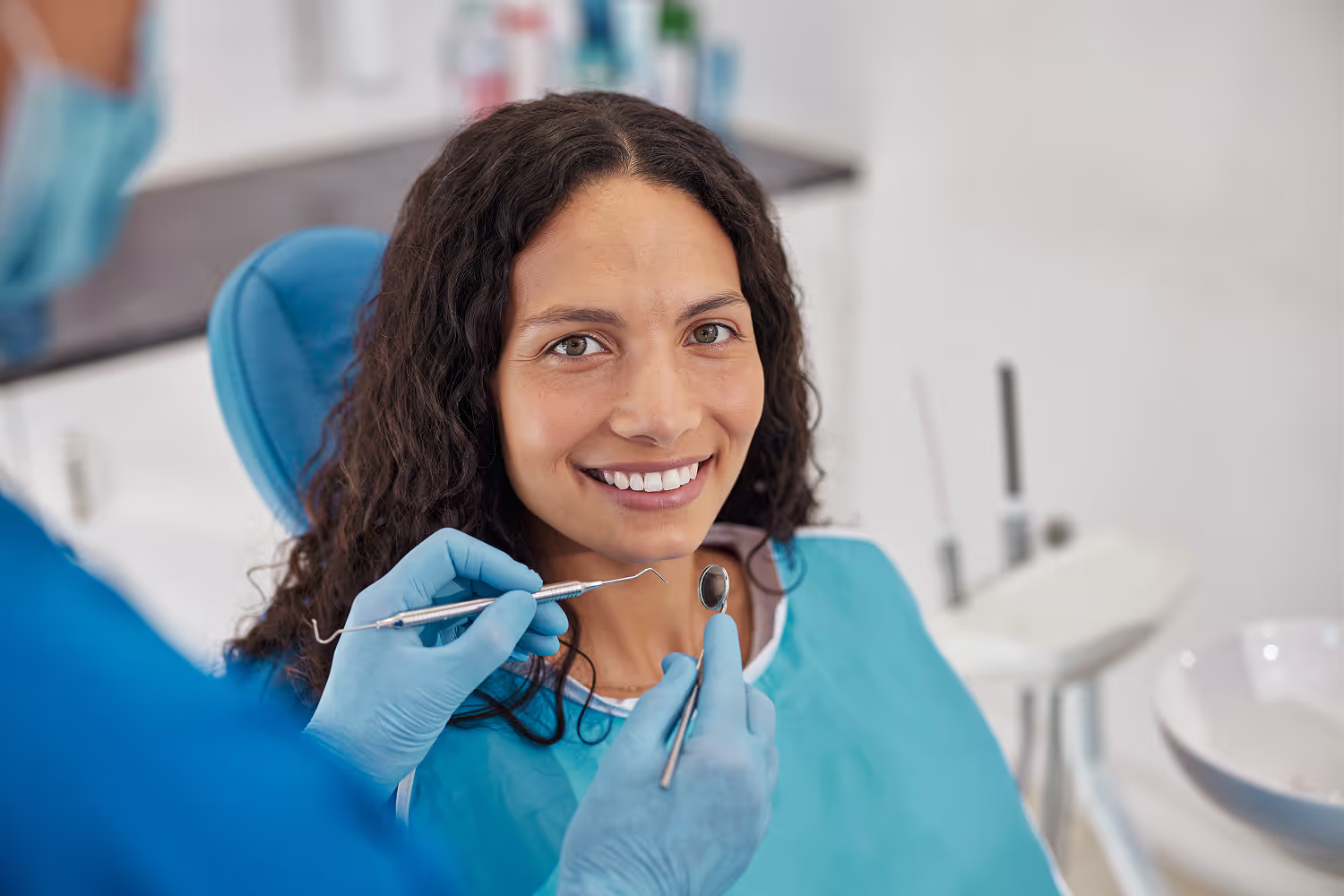
Surgical orthodontics, also known as corrective jaw surgery or orthognathic surgery, is used to correct significant skeletal discrepancies between the upper and lower jaws. When jaw alignment cannot be fully corrected with braces or Invisalign alone, surgery may be recommended to improve function and facial balance. This treatment can address concerns such as difficulty chewing, speech challenges, chronic jaw discomfort, excessive tooth wear, and severe bite discrepancies.
At Liberty Station Orthodontics, surgical orthodontics is approached thoughtfully and only when it provides clear clinical benefit. We use digital imaging and comprehensive diagnostics to evaluate jaw position, growth patterns, and overall facial structure before making a recommendation. Treatment is carefully coordinated with a trusted oral and maxillofacial surgeon to ensure predictable, long-term results.
The benefits of surgical orthodontics
When jaw structure is properly aligned, patients often experience improvements that go far beyond straight teeth. Surgical orthodontics can restore functional balance while also enhancing overall facial harmony.
Improved bite function
Correcting jaw discrepancies can improve chewing efficiency, speech, and overall comfort, especially in cases of severe overbite, underbite, or open bite.
Relief from jaw strain
Proper alignment can reduce excessive stress on the jaw joints and surrounding muscles, helping minimize long-term wear and discomfort.
Enhanced facial balance
Repositioning the jaws can improve facial symmetry and profile balance, creating results that feel natural and proportionate.
Conditions that may require surgical orthodontics
Severe overbite or underbite
When the upper and lower jaws do not align properly, it can affect both appearance and function. In more advanced cases, surgery is needed to reposition the jaws so the teeth can meet correctly. Orthodontic treatment is used before and after surgery to ensure precise alignment.
Open bite
An open bite occurs when the front teeth do not touch when the mouth is closed. If caused by skeletal imbalance rather than tooth position alone, surgical correction may be recommended to achieve proper function and stability.
Facial asymmetry or jaw discrepancy
Noticeable facial imbalance can result from uneven jaw growth. Surgical orthodontics can reposition the jaws to improve symmetry and create a more harmonious facial profile while maintaining long-term structural support.


The surgical orthodontics process

Orthodontic preparation
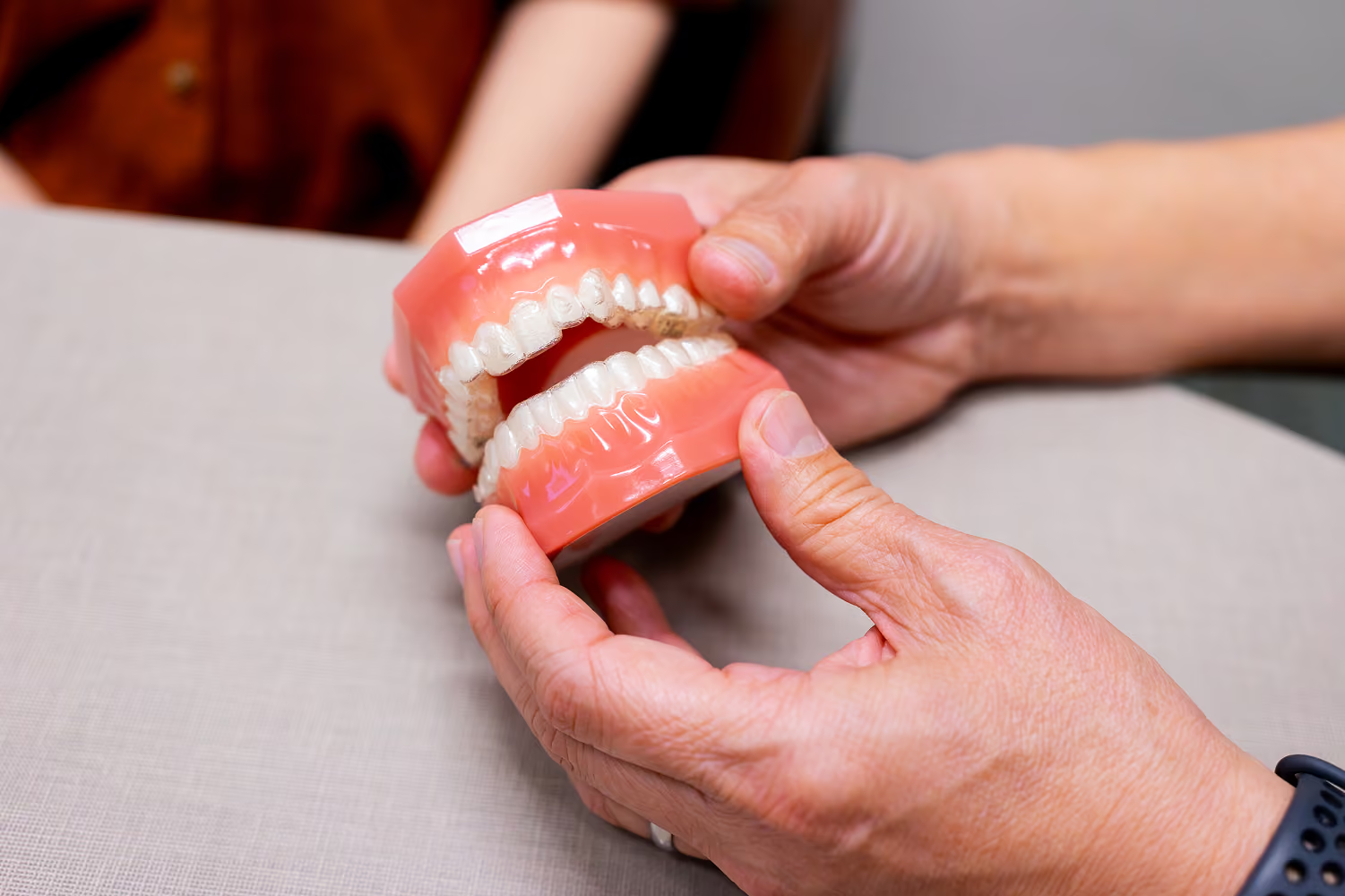
Braces or clear aligners can be used to align the teeth in preparation for surgery. This stage ensures the teeth are positioned correctly so the jaws can be properly aligned during surgery.

Corrective jaw surgery
The oral surgeon repositions the upper jaw, lower jaw, or both to correct skeletal discrepancies. Surgery is performed in a hospital setting under general anesthesia, with careful planning between providers.
Final alignment and stabilization
After healing, orthodontic treatment continues to fine-tune your bite and ensure long-term stability. This phase completes the transformation and helps protect your results for years to come.
Frequently asked questions
FAQ
Candidates typically have significant skeletal discrepancies that cannot be corrected with orthodontics alone. A comprehensive evaluation, including digital imaging and bite analysis, allows us to determine whether surgical orthodontics would provide meaningful benefit.
In many cases, jaw surgery performed for functional reasons may be partially covered by medical insurance. Our team can help guide you through the process and coordinate documentation when needed.
Surgical orthodontic treatment typically spans 18 to 24 months, including orthodontic preparation, surgery, healing time, and final detailing. Every case is unique, and we’ll provide a personalized timeline during your consultation.
Still Have Questions?
Call us for more information or to schedule an appointment.